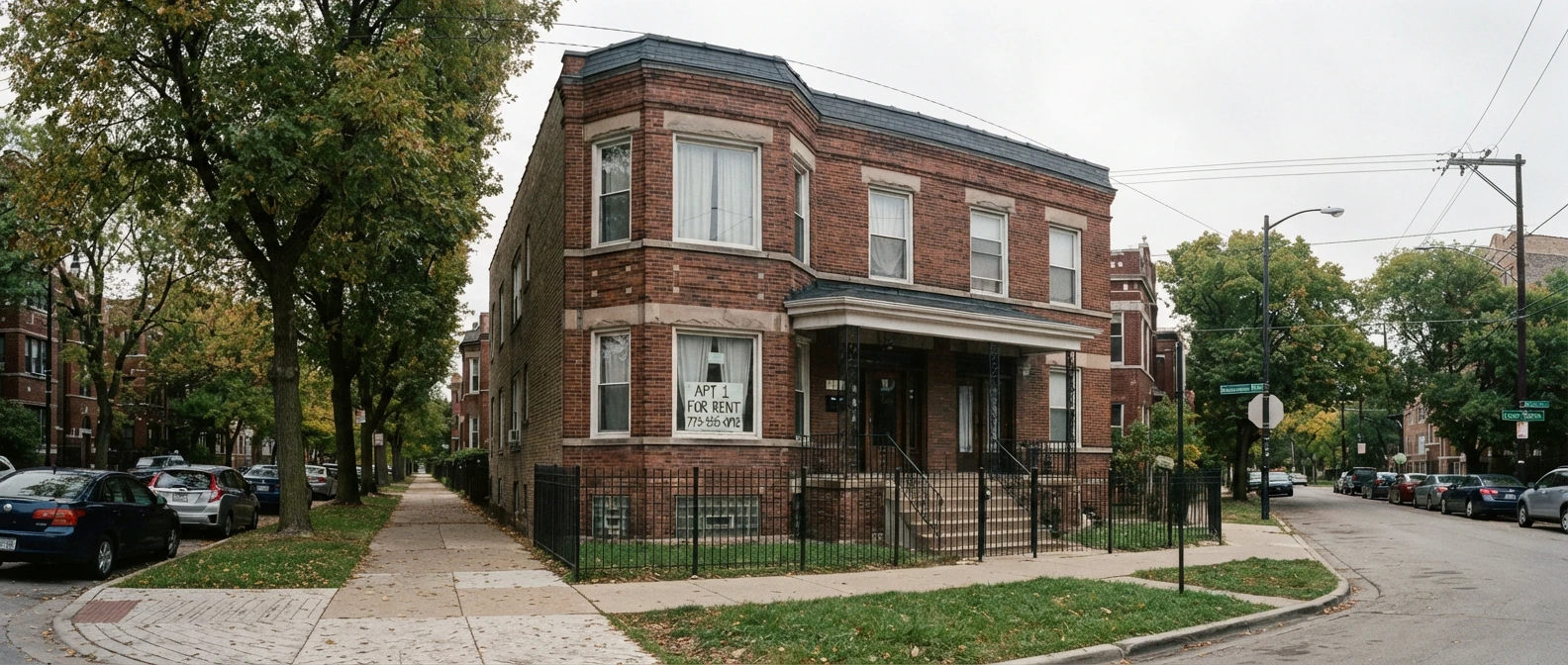
A broken pipe, a kitchen fire, or a tenant injury can stop a rental business overnight. Repairs halt the rent while the bills keep arriving — and a standard home policy may not cover a home used as a rental. That gap is why landlord insurance exists: it can protect the building, the rental income, and certain liability costs after a covered loss.
Renting a Home Changes the Risk
When a tenant moves in, the owner no longer controls daily use or spots every problem early. A leak gets reported after damage has spread. A guest gets hurt and files a claim. Landlord insurance is built for property held for rental, and insurers need accurate details — unit count, lease type, vacancy status — to apply the right terms.
What a Landlord Policy May Cover
- Building coverage for damage from covered causes
- Landlord liability for injuries and legal claims
- Loss of rental income to replace rent during covered repairs
- Owner-owned appliances under limited property coverage
Every carrier sets its own limits and exclusions. NAIC guidance notes landlord coverage may include structures, owner contents, lost rent, legal fees, and liability — but tenant belongings always need the tenant's own renters policy.
The Homeowners Policy Gap
A personal home policy is built around owner occupancy. Rent the home out, and the carrier may require landlord coverage instead. The Illinois Department of Insurance is clear on the split: landlord coverage protects the structure, not the renter's possessions. Don't assume the old policy still fits after you move out.
Three Parts of a Strong Coverage Plan
- Protect the building. A dwelling fire policy covers listed causes; a broader DP3 policy covers sudden causes unless excluded.
- Protect the income. Fair rental value coverage can replace lost rent when a covered loss makes a unit unlivable — payment periods and limits vary.
- Protect against claims. Liability coverage responds to covered injury claims. It works alongside good maintenance, not instead of it.
Gaps Worth Asking About
Water damage exclusions, vandalism terms for vacant buildings, tenant damage limits, sewer backup, code upgrades, and theft limits all hide in policy wording. Flood damage needs a separate policy entirely — FEMA confirms flood insurance is always separate. Also ask how claims settle: replacement cost pays repair prices; actual cash value deducts for age and wear.
What Drives the Price
Location, building age, construction, roof condition, unit count, claims history, occupancy, deductibles, and limits. A two-unit building rates differently than a single-family rental. The cheapest quote often carries a higher deductible or fewer protections — compare the policy, not just the premium.
Special Situations
Vacant properties, multifamily buildings, short-term rentals, and renovations each change carrier options and terms. Report changes in use promptly so the policy matches the risk.
How We Review Rental Coverage
Six Corners Insurance Agency is a Chicago-based independent agency licensed in Illinois. We compare rates and coverage from more than 20 carriers: property review, current policy check, carrier comparison, option review, then placement. Reviews are free. See how this fits your broader coverage as part of insurance in Arlington Heights.
Protect your Arlington Heights rental. Call or text (312) 651-6759, or visit us at 2200 N Damen Ave, Chicago, IL 60647.
Rental Property Insurance FAQ for Arlington Heights
Why do landlords in Arlington Heights need rental property coverage?
Tenant use changes the risk profile, so a standard home policy may not apply. Landlord coverage can protect the structure, lost rent, and liability — with limits that vary by carrier and property.
Does a landlord policy cover a tenant's belongings?
No. It protects the building and the owner's insured property. Tenants need their own renters insurance.
Can landlord coverage replace rent after property damage?
It may, when a covered event makes the unit unlivable. The policy sets the covered causes, payment period, and maximum — confirm before a loss.
Does a landlord policy cover damage caused by tenants?
Sudden accidental damage may qualify. Normal wear, poor upkeep, and intentional damage are usually excluded.
Is landlord insurance required by Illinois law?
Illinois guidance doesn't set one general requirement, but lenders usually require coverage under loan terms. Confirm your mortgage terms.