
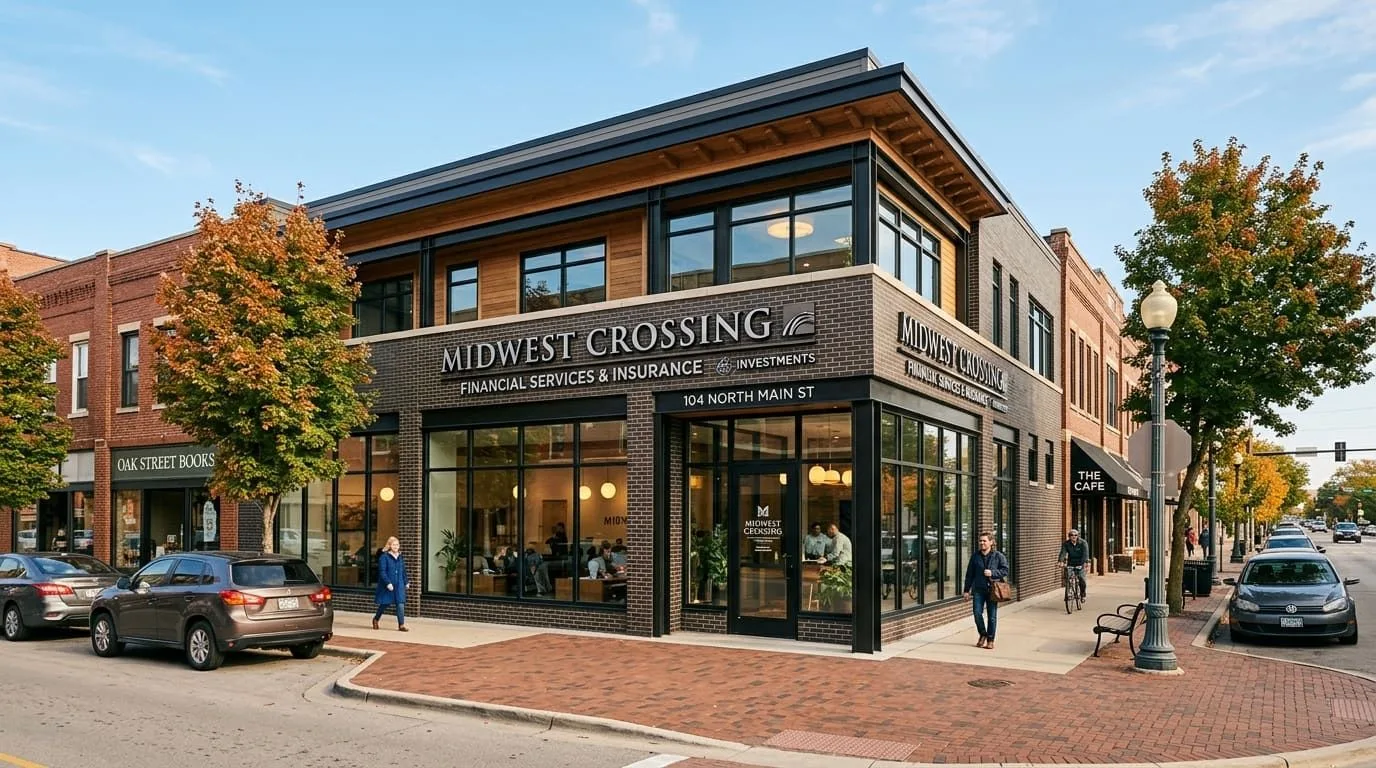
Commercial Property Insurance in Chicago
Coverage for the building you own, or the improvements, equipment, and inventory in the space you lease, plus the income you could lose after a covered loss. We compare policies from multiple carriers to help Chicago businesses set the right values and limits.
Request a Property Insurance QuoteWhat's Covered
What Commercial Property Insurance Covers
What you need depends on whether you own or lease, what you keep on site, and how long you could stay closed. These are the pieces a commercial property policy is usually built from.
Building Coverage
For businesses that own their building, or tenants whose lease makes them responsible for it. Covers the structure, including walls, roof, and permanently installed fixtures, against covered causes of loss such as fire, wind, hail, vandalism, and burst pipes.
Business Personal Property
Equipment, computers, furniture, inventory, and supplies used in your business, whether you own or lease the space. Property away from your location, such as tools on a job site, may need separate inland marine coverage.
Business Income / Loss of Income
If covered property damage forces you to close or slow down, this can replace lost net income and help pay ongoing expenses like rent and payroll. Policies set a time limit or dollar limit and often a waiting period before it begins.
Equipment Breakdown
Usually an optional add-on. Covers mechanical or electrical breakdown of HVAC, refrigeration, computers, and production equipment, which standard property forms typically exclude.
Tenant Improvements
Build-outs, flooring, lighting, and fixtures you paid for in a leased space. Your lease may say whether you or the landlord must insure them, so we review it before setting a limit.
Ordinance or Law Coverage
Helps with the added cost of rebuilding to current building codes, and of demolishing undamaged parts when code requires it. It is often limited or excluded unless added, which matters for older Chicago buildings.
Owners vs. tenants
Building owners insure the structure and their own contents. Tenants usually insure their equipment, inventory, and improvements, and the landlord insures the building, but leases vary. Some make the tenant responsible for the building or require specific limits, so share your lease when you request a quote.
Replacement cost vs. actual cash value
Replacement cost pays what it would cost to repair or replace property at today's prices. Actual cash value subtracts depreciation, so older equipment pays out less. Many policies also include a coinsurance clause that reduces a claim payment if your limit is set too low for the property's value.
Common limits and exclusions
Standard property policies usually exclude flood, earthquake, wear and tear, and gradual damage. Sewer or drain backup, outdoor signs, spoilage, and employee theft are often limited or need an add-on. The policy wording, not this summary, decides what is covered.
Smaller businesses can often get property coverage inside a business owners policy, packaged with liability. Compare that and other options in our small business insurance guide, or see the full range of coverage on our commercial insurance overview.
Common Questions
Commercial Property FAQ
Common questions about protecting your business property, equipment, and inventory.
It covers physical property your business uses: the building if you own it or your lease makes you responsible for it, plus equipment, inventory, furniture, and improvements, against covered causes of loss such as fire, theft, vandalism, and storms. Business income coverage can be added or included to replace lost income after a covered loss. What is covered, and for how much, depends on the policy.
Usually, yes. The landlord's policy typically covers the building, not your equipment, inventory, or the improvements you paid for. Many leases also require tenants to carry property and liability coverage at set limits, and some make the tenant responsible for parts of the building. Property insurance does not cover liability; that is a separate coverage.
You set limits for the building, if applicable, and for business personal property. We usually recommend basing them on replacement cost, what it would cost to rebuild or replace at today's prices, rather than what you paid. Setting limits too low can reduce a claim payment under a coinsurance clause, so we go through your equipment, inventory, and improvements with you.
Most policies cover fire, wind, hail, and lightning. Flood and earthquake are typically excluded and need a separate policy or endorsement, and sewer or drain backup is often limited unless added. We can show you what a quoted policy excludes before you decide.
Yes. Eligible small businesses can get property and general liability together in a Business Owners Policy (BOP), which is often simpler than buying them separately. Businesses that do not fit a BOP, or need higher limits or broader terms, can use a standalone property policy alongside other coverage.
Premiums depend on the building type, age, and construction, location, what your business does, property values, limits and deductibles, add-ons, and claims history. As an independent agency, we compare quotes from multiple carriers once we have those details.
Request a Commercial Property Quote
Tell us whether you own or lease, roughly what your equipment, inventory, and improvements are worth, and what your lease requires. We'll compare options and explain what each one covers.
See how this works for commercial property in Deerfield, IL.