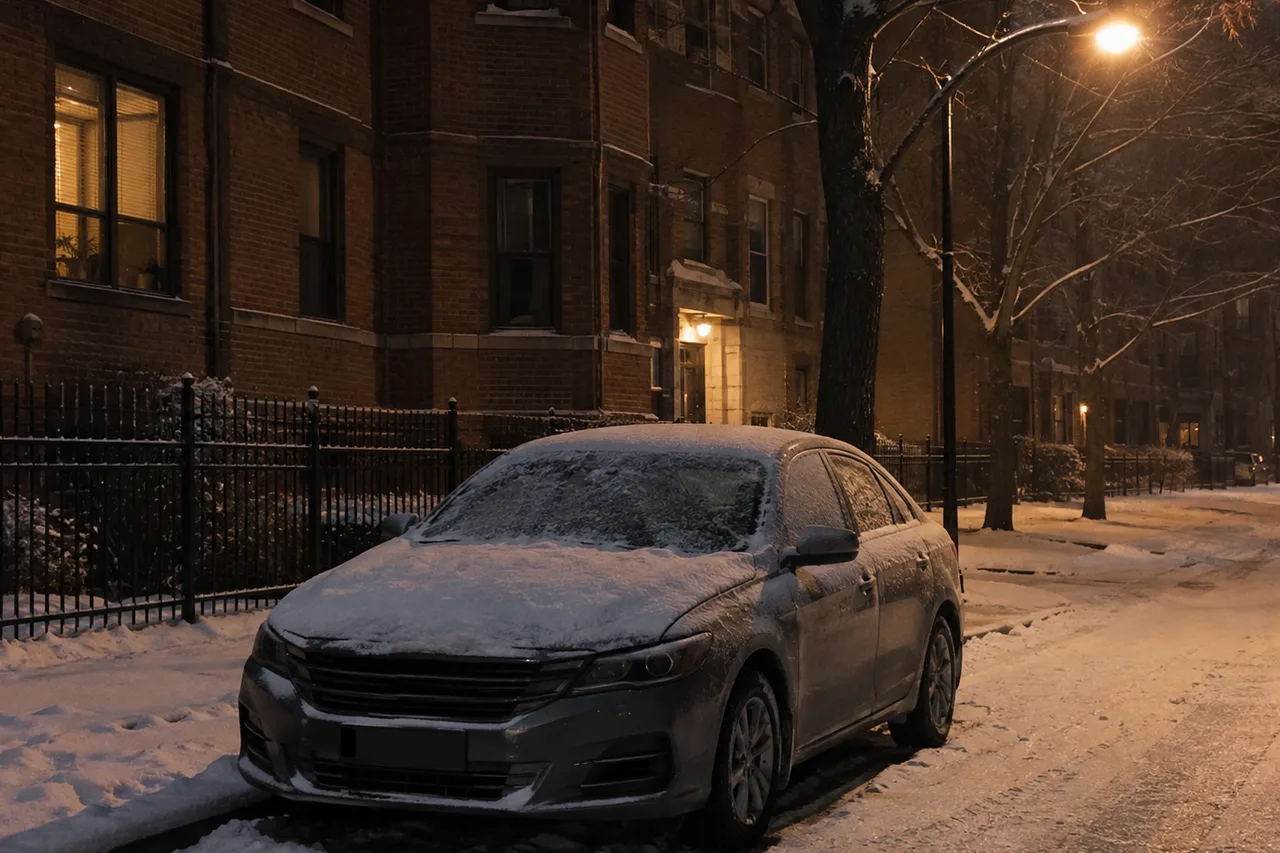
Quick answer: Collision coverage pays to fix your car after it hits another car or an object, like a pole, curb, or pothole, regardless of fault. Comprehensive coverage pays for almost everything else: theft, break-ins, vandalism, hail, falling branches, flooded streets, fire, and deer. Neither is required by Illinois law, but lenders require both on financed and leased cars. With Illinois ranking third in the country for vehicle thefts in 2025, most Chicago drivers should keep comprehensive even after they drop collision on an older car.
“Full coverage” is one of the most misunderstood phrases in car insurance. It is not a real policy type. It usually means you carry comprehensive and collision on top of the liability coverage Illinois requires. Here is what each one does, how they play out on Chicago streets, and how to decide what is worth paying for.
What Collision Coverage Pays For
Collision pays to repair or replace your own car when it is damaged in a crash with another vehicle or an object, minus your deductible. It applies whether or not you were at fault. Common Chicago collision claims include:
- Rear-ending someone in stop-and-go traffic on the Kennedy or Lake Shore Drive
- Sliding into a parked car or a light pole on an icy side street
- Clipping a garage door frame or a fence in a tight alley
- Pothole damage to wheels, tires, and suspension after a hard winter
- A single-car crash where no other driver is involved
- A hit-and-run where the other driver cannot be found
If another driver caused the crash, their liability insurance should pay. Collision still helps: your insurer can pay you right away and then recover the money from the other driver's carrier, often including your deductible. If the other driver is uninsured, see our guide to uninsured motorist coverage in Illinois.
What Comprehensive Coverage Pays For
Comprehensive, sometimes called “other than collision,” covers damage to your car from almost anything except a crash:
- Theft of the car, or parts of it like catalytic converters, wheels, and tires
- Break-ins and vandalism, including smashed windows and damaged locks or ignitions
- Hail and wind, including trees and branches that fall on a parked car
- Flooding when a car parked on the street or in a garage takes on water during a heavy storm
- Fire
- Hitting a deer or other animal, common on suburban roads and forest preserve edges in the fall
- Glass damage, like a cracked windshield from a stone
Why Comprehensive Matters So Much in Chicago
According to National Insurance Crime Bureau figures reported by the Insurance Information Institute, Illinois had 28,327 vehicle thefts in 2025, the third most of any state, and the Chicago metro area had 24,299, the third most of any metro in the country. Thefts have fallen sharply nationwide since their 2023 peak, but the Chicago area remains one of the highest-theft regions in the U.S., and Hyundai vehicles had the highest theft rates in 2025.
Add in street parking, summer hail, the occasional flooded viaduct, and big parkway trees, and comprehensive is one of the most frequently used coverages for city drivers. It is also usually the less expensive of the two.
Comprehensive or Collision? Common Chicago Claims
- Car stolen overnight from the street: comprehensive
- Catalytic converter cut off: comprehensive
- Window smashed and a bag taken: comprehensive for the window; homeowners or renters insurance for the bag
- Hail dents after a summer storm: comprehensive
- Tree branch falls on a parked car: comprehensive
- Car floods in a viaduct underpass you drove into: usually comprehensive, though driving into high water can complicate a claim
- Deer on a suburban road: comprehensive
- Swerving to miss a deer and hitting a pole: collision
- Blown tire and bent rim from a pothole: collision
- Sliding into a snowbank or a parked car: collision
Choosing Your Deductibles
You pick a separate deductible for each coverage, commonly $250, $500, or $1,000. A higher deductible lowers your premium, but you pay more when you file. A few guidelines:
- Choose a deductible you could pay tomorrow without stress.
- Many drivers carry a lower comprehensive deductible than collision deductible, since comprehensive claims like theft and hail are out of your control.
- Ask whether your carrier offers full glass coverage, which can waive the deductible for windshield repairs.
For more ways to trim your premium, see how to save money on insurance premiums.
When to Drop Collision or Comprehensive
Comprehensive and collision only pay up to your car's actual cash value, so their value shrinks as your car ages. Consider dropping coverage when:
- Your car is paid off, so no lender requires the coverage.
- The yearly cost of the coverage is more than about 10% of the car's value.
- You could replace or repair the car yourself without hardship.
For many Chicago drivers, the smart middle ground is to drop collision on an older car but keep comprehensive, since theft, break-ins, and hail do not care how old your car is. If you drop collision, consider adding uninsured motorist property damage, which can cover your car when an identified uninsured driver hits it.
Add-Ons Worth Considering
- Gap insurance: pays the difference between what you owe on a loan or lease and what the car is worth if it is totaled or stolen.
- Rental reimbursement: pays for a rental while your car is in the shop after a covered claim, which matters if you depend on your car for work.
- Roadside assistance: towing, jump-starts, and lockouts, handy on a January morning.
- New car replacement: on a car that is a year or two old, some carriers will replace it with a new one instead of paying depreciated value.
Your Comprehensive and Collision Checklist
- Check your declarations page for comprehensive and collision on each car.
- Note each deductible and whether you could pay it today.
- Look up each car's current value to see if collision still makes sense.
- Keep comprehensive on any car parked on the street, even an older one.
- Add gap insurance if you owe more than the car is worth.
- Ask about full glass coverage and rental reimbursement.
- Make sure your renters or homeowners policy covers belongings stolen from your car.
- Review your coverage when you pay off a loan or buy a new car.
The Bottom Line
Collision protects you from your own driving and the road itself; comprehensive protects you from everything that happens while your car is parked or out of your control. In a high-theft, street-parking city like Chicago, comprehensive is often the last coverage worth dropping. Our auto insurance 101 guide covers the rest of your policy, and our guide to the best auto insurance for Chicago drivers can help you compare carriers.
As an independent insurance agency in Chicago, we compare car insurance from multiple carriers and show you what different deductibles and coverages really cost. Contact Six Corners Insurance for a free auto policy review.
Sources
Frequently Asked Questions
What is the difference between comprehensive and collision coverage?
Collision pays to repair or replace your car after it hits another vehicle or an object, like a pole, a curb, or a pothole, no matter who is at fault. Comprehensive pays for damage that is not a collision: theft, vandalism, break-ins, hail, falling trees, flooding, fire, and hitting a deer.
Is comprehensive or collision coverage required in Illinois?
No. Illinois law only requires liability and uninsured motorist coverage. But if you have a car loan or lease, your lender will almost always require both comprehensive and collision until the car is paid off.
Does insurance cover a stolen car in Chicago?
Only if you carry comprehensive coverage. Comprehensive pays the actual cash value of a stolen car, minus your deductible, once the car is not recovered. Liability-only policies do not cover theft.
Are belongings stolen from my car covered by auto insurance?
Generally no. Comprehensive covers the broken window and damage to the car, but laptops, bags, and other personal items stolen from inside the car are usually covered by your homeowners or renters policy, subject to that deductible.
When should I drop collision coverage on an older car?
A common rule of thumb is to consider dropping collision when the yearly cost of the coverage is more than about 10% of the car’s value, or when you could comfortably replace the car yourself. Many Chicago drivers keep comprehensive longer because theft, break-ins, and hail are common and comprehensive is usually less expensive.