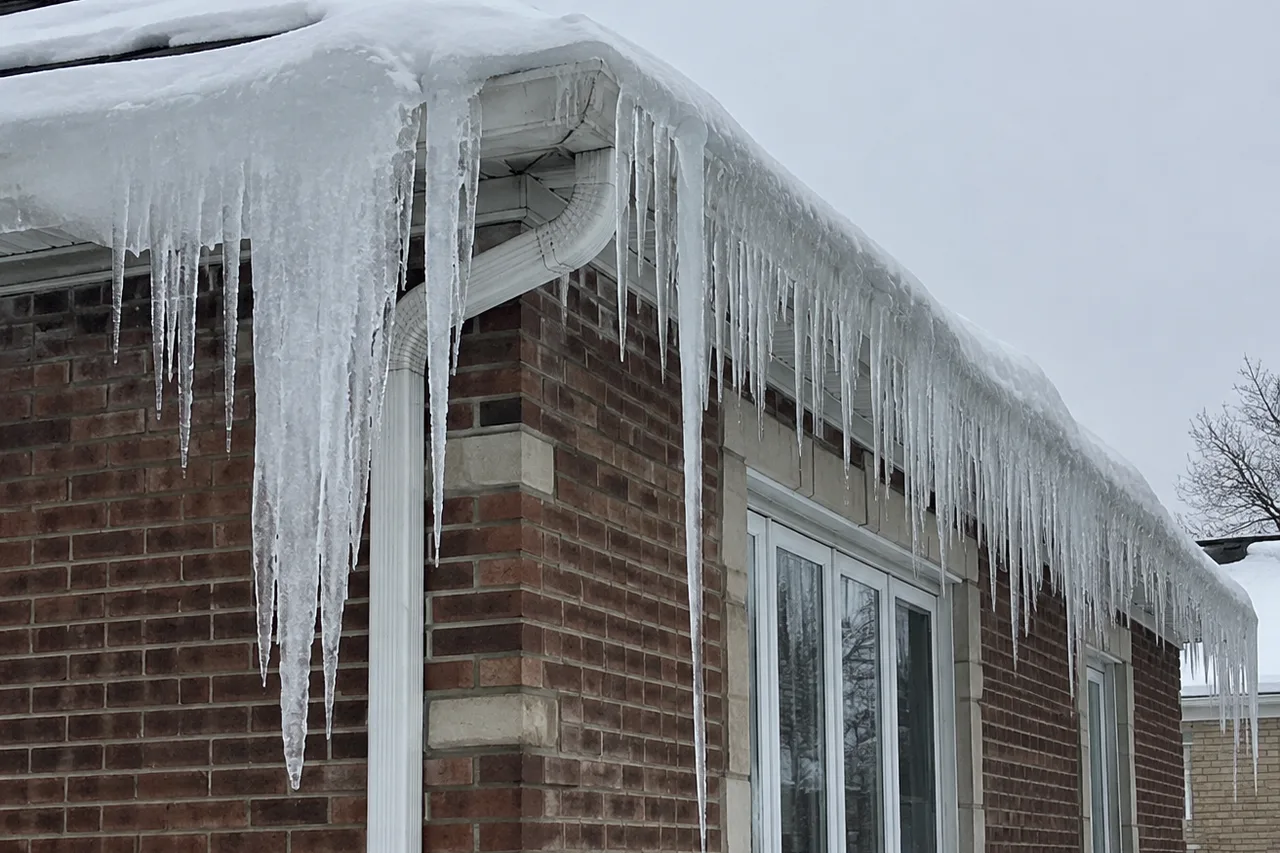
Quick answer: A standard Illinois homeowners policy usually covers the water damage an ice dam causes inside your home, like stained ceilings, wet insulation, damaged drywall, and ruined belongings. It usually does not pay to remove the ice dam itself or to fix the worn roofing, poor attic insulation, or clogged gutters behind it. The best protection is prevention this fall: air-seal and insulate the attic, clean the gutters, and make sure your policy and deductible fit a winter water claim.
Every Chicago winter brings a stretch of heavy snow followed by a few sunny days, and that is when the calls start: a brown ring on a bedroom ceiling in a Portage Park bungalow, water dripping behind the window trim of a Bucktown frame house. Most of the time, the cause is an ice dam. Here is how ice dam claims work in Illinois, what your policy is likely to pay for, and what you can do now, before the first big snow.
What Is an Ice Dam?
An ice dam is a ridge of ice that forms along the lower edge of a roof. Heat escaping from the living space warms the upper roof deck and melts the snow on top. That meltwater runs down to the colder eaves, which hang out past the warm walls, and freezes again. Over days, the ice builds into a wall, and the next round of meltwater pools behind it and backs up under the shingles, into the attic, and down through the walls and ceilings.
Chicago's housing stock makes this especially common. Many older Chicago homes have finished attics, half stories, or knee walls with little insulation, and the freeze-thaw cycles of a Lake Michigan winter give ice dams plenty of chances to form.
Warning Signs to Watch For
- Large icicles hanging from gutters and roof edges
- A thick ridge of ice along the eaves while the upper roof is bare
- Water stains or peeling paint on ceilings near exterior walls
- Damp or frosty insulation, or frost on nails, in the attic
- Water dripping around window frames or soffits during a thaw
- Gutters pulling away from the house under the weight of ice
What Homeowners Insurance Usually Covers
Most Illinois homeowners carry an HO-3 policy, which covers the house against all risks except those it excludes, and covers belongings for named perils. Sudden water damage and damage from the weight of ice and snow are typically included. That means an ice dam claim can include:
- Interior damage: ceilings, drywall, insulation, flooring, trim, and paint damaged by water that backed up from the roof.
- Your belongings: furniture, electronics, rugs, and other personal property damaged by the leak, under personal property coverage.
- Roof damage caused by the ice: in many cases, sections of roof or gutters torn or crushed by ice and snow, subject to your policy's limits on gutters and similar items.
- Collapse: most policies cover collapse caused by the weight of ice, snow, or sleet.
- Extra living expenses: if the damage makes part of your home unlivable, loss of use coverage can help with a hotel or rental while repairs are made.
Our homeowners insurance 101 guide explains each part of a typical policy in more detail.
What Is Usually Not Covered
- Removing the ice dam. Chipping, steaming, or raking ice off the roof is normally considered maintenance, unless it is needed to prevent further covered damage.
- Wear and tear. An old roof with worn shingles or failed flashing that leaks over time is a maintenance problem, not a sudden loss.
- Gradual leaks and neglect. A stain you ignored for several winters, or mold from a slow leak, can be denied or limited.
- Poor insulation or ventilation. Insurance does not pay to fix the attic conditions that caused the ice dam in the first place.
- Flooding from outside. Snowmelt that pools in the yard and seeps into the basement is flood or seepage, not ice dam damage. That calls for sump pump and sewer backup coverage or a separate flood policy.
Roof Age and Your Policy
More carriers now settle roof claims on an actual cash value basis once a roof passes a certain age, which means they pay what the old roof was worth after depreciation rather than the cost of a new one. Some also use a separate, higher wind and hail deductible. If your roof is more than 15 years old, it is worth checking how your policy treats roof damage before winter, not after a claim. Rising rebuilding costs are also why we recommend reading our guide on whether your home is underinsured.
How to Prevent Ice Dams Before the First Snow
- Seal attic air leaks. Warm air escaping through recessed lights, attic hatches, plumbing stacks, and chimney gaps is the main cause of ice dams.
- Add attic insulation. A well-insulated attic floor keeps the roof deck cold so snow melts evenly.
- Check ventilation. Soffit and ridge vents help keep the underside of the roof close to the outdoor temperature.
- Clean gutters and downspouts after the leaves fall so meltwater can drain.
- Rake the roof after heavy snow. A long-handled roof rake used from the ground can clear the first few feet above the eaves. Do not climb onto an icy roof.
- Ask about an ice and water shield when you replace your roof. This membrane under the shingles at the eaves helps keep backed-up water out.
Our winter prep tips cover frozen pipes, furnace safety, and the rest of your cold-weather checklist.
If an Ice Dam Is Leaking Into Your Home
- Move belongings away from the leak and catch dripping water.
- If a ceiling is sagging, keep people away and turn off power to that area if it is safe.
- Photograph the ice dam from the ground and every water stain inside.
- Take reasonable steps to stop more damage and keep the receipts.
- Hire a roofer who uses steam, not hammers or salt, to open a drainage channel.
- Call your agent or insurer promptly, before major repairs.
- Dry out wet insulation and drywall quickly to avoid mold.
For the full process, see our guide to filing a home insurance claim in Illinois.
Your Ice Dam Insurance Checklist
- Find your policy type (HO-3, HO-5, or other) on your declarations page.
- Check your deductible and whether a separate roof or wind deductible applies.
- Ask whether your roof is covered at replacement cost or actual cash value.
- Confirm your dwelling limit reflects today's rebuilding costs.
- Add water backup coverage if you have a finished basement.
- Take photos of your roof, attic, and ceilings now for a before-and-after record.
- Schedule gutter cleaning and an attic insulation check before December.
- Keep your agent's and insurer's claim numbers in your phone.
The Bottom Line
Ice dams are a maintenance problem that can turn into an insurance claim overnight. Your homeowners policy is there for sudden water damage, but prevention and the right policy terms decide how a winter leak plays out. If you are not sure how your policy treats roof and water damage, now is the time to find out.
As an independent insurance agency in Chicago, we compare homeowners insurance from multiple carriers and can show you how each one handles roof age, water damage, and deductibles. Contact Six Corners Insurance for a free policy review before winter.
Sources
Frequently Asked Questions
Does homeowners insurance cover ice dam damage in Illinois?
Usually, yes, for the damage the water causes inside your home. Most standard homeowners policies (HO-3 and HO-5) cover sudden water damage from ice dams, such as stained ceilings, wet insulation, ruined drywall, and damaged belongings. What they generally do not cover is removing the ice dam itself or fixing the wear, poor insulation, or maintenance problems that caused it.
Will insurance pay to remove an ice dam?
Generally not as a stand-alone cost. Removing ice is treated as maintenance. If an ice dam has already caused covered damage, some policies will pay reasonable costs to stop further damage, such as steaming a channel to let water drain, so call your agent before you hire anyone.
Are icicles a sign of an ice dam?
Not always, but large icicles along the gutters are a common warning sign. A ridge of ice along the roof edge, water stains on ceilings near exterior walls, or damp spots in the attic after a thaw are stronger signs that water is backing up under the shingles.
Does homeowners insurance cover a roof collapse from snow?
Most standard policies cover collapse caused by the weight of ice, snow, or sleet. Gutters, awnings, fences, and similar structures are often limited or excluded from that coverage, so check your policy wording.
Can an ice dam claim raise my premium?
It can. Water claims are among the most common homeowners claims, and multiple claims may affect your price or renewal. For small damage close to your deductible, it can make sense to talk with your agent before you file.